Why Punch Testing Matters in Marine Glass Manufacturing

How Integ Marine Group Verifies the Strength and Safety of Marine Toughened Glass
When marine glass is installed on a vessel, there is no margin for error. Whether fitted to a superyacht, commercial vessel, or industrial fleet, glazing systems must withstand demanding operating conditions including wave impact, vibration, pressure changes, and harsh marine environments.
That is why quality assurance plays a critical role in every marine glazing project.
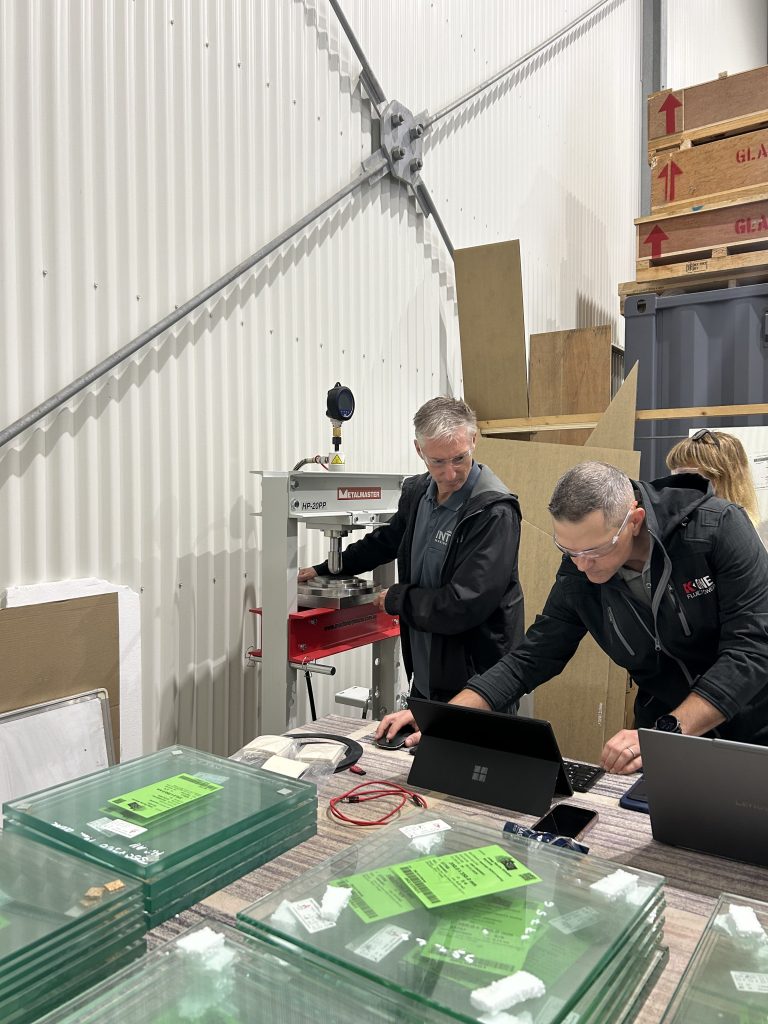
As part of our ongoing commitment to quality, Integ Marine Group has recently invested in an in-house punch testing system, allowing us to independently verify the performance of marine glass before installation. This additional level of testing supports our manufacturing and installation processes and provides greater confidence that the glazing systems we deliver meet the required standards and specifications.
What Is a Marine Glass Punch Test?
A punch test is a recognised method used to assess the strength and breakage characteristics of toughened marine glass.
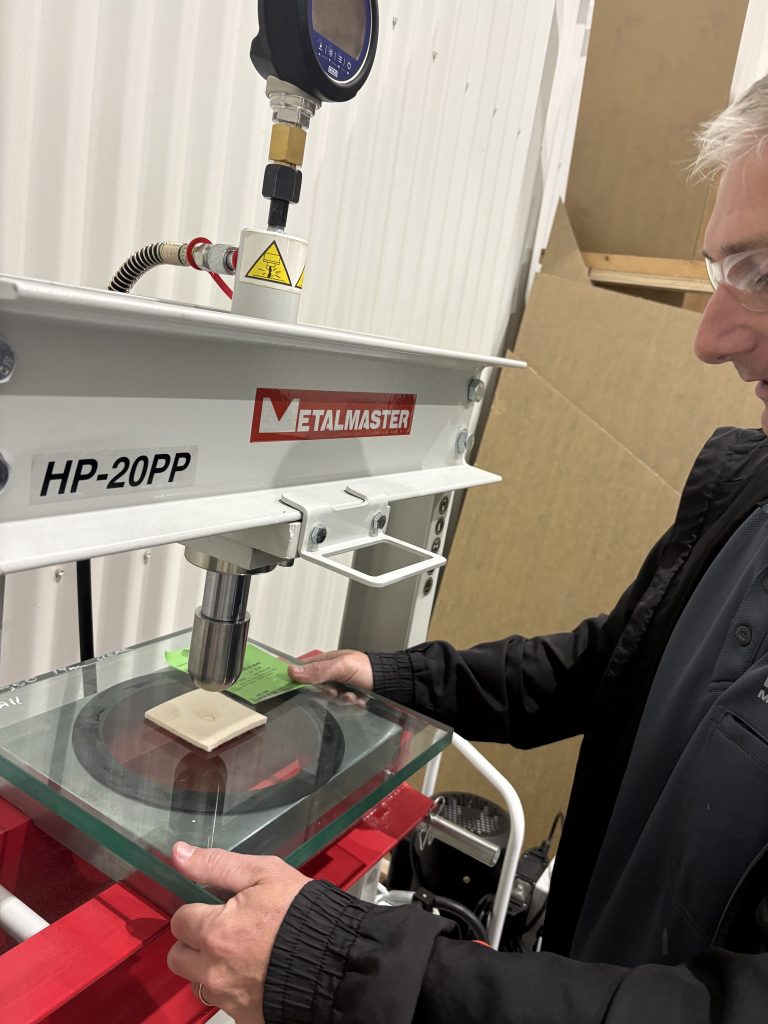
The process involves applying a controlled force to a glass specimen using specialised testing equipment until the glass fractures. Once broken, the resulting fragments are carefully assessed to verify that the glass performs as intended and complies with relevant marine standards.
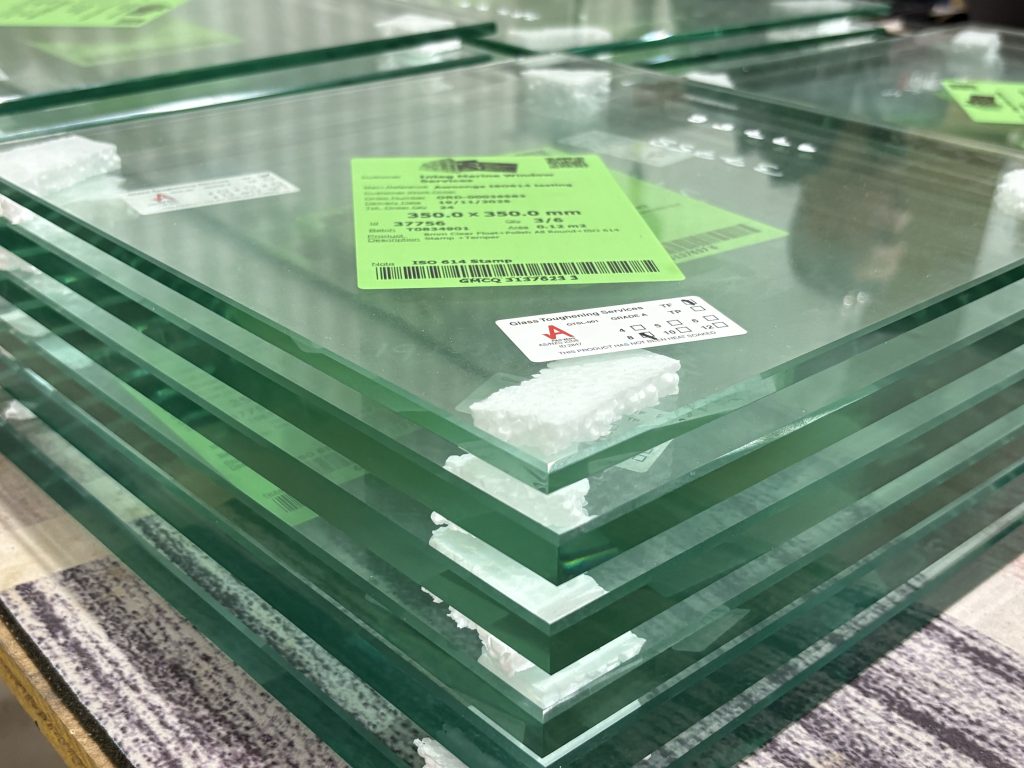
For fully toughened marine safety glass, the fragmentation pattern is particularly important. Properly toughened glass should break into small, relatively harmless fragments rather than large, dangerous shards.
This characteristic is one of the key reasons toughened glass is widely used throughout the marine industry.
Why Punch Testing Is Important for Marine Toughened Glass
Marine glazing systems are exposed to conditions that differ significantly from traditional architectural applications.
Windows and glass panels onboard vessels must perform under:
- Continuous vibration
- Structural movement
- Temperature fluctuations
- Saltwater exposure
- Wind and wave loading
- Operational impacts and accidental damage
For this reason, marine glass must meet strict performance requirements before being installed.
Punch testing provides an additional layer of verification that the toughening process has been completed correctly and that the glass exhibits the fragmentation characteristics expected under international marine standards.
As an organisation certified to ISO 614-202 (R2018) and ISO 21005-2018 standards, Integ Marine Group understands the importance of maintaining rigorous quality control procedures throughout the manufacturing and installation process.
Bringing Testing Capability In-House
Historically, many marine glazing businesses have relied solely on external testing facilities.
Our investment in a dedicated punch testing system supplied by KONE allows us to bring this important quality assurance process in-house.
This capability provides several advantages:
- Faster verification of manufactured glass
- Additional quality control before installation
- Greater consistency across projects
- Improved traceability and documentation
- Increased confidence for clients and project stakeholders
Most importantly, it allows our team to independently verify that glazing systems meet the standards expected across superyacht, commercial, and industrial marine applications.
Supporting Compliance and Certification
Marine glazing is governed by a range of international standards and classification requirements designed to ensure vessel safety.
Punch testing forms an important part of validating the performance of toughened safety glass and supports compliance with recognised marine standards, including those applicable to ISO-certified marine glazing systems.
For vessel owners, shipyards, and project managers, this means confidence that installed glazing has undergone thorough verification before reaching the vessel.
For Integ Marine Group, it reflects our commitment to continuous improvement and investment in industry-leading quality assurance practices.
The Role of Punch Testing in Modern Marine Projects
As vessel designs continue to evolve, glazing systems are becoming larger, more complex, and increasingly integrated into the overall structure and aesthetics of the vessel.
This trend is particularly evident across:
- Superyachts
- Passenger vessels
- Commercial fleets
- Offshore and industrial vessels
With larger glazing packages comes a greater emphasis on testing, verification, and compliance.
By incorporating punch testing into our quality assurance process, we can further support the performance, reliability, and safety of the marine glazing systems we manufacture and install.
Why Quality Assurance Matters
At Integ Marine Group, quality is built into every stage of a project.
From material selection and marine glass manufacturing through to installation and final inspection, our objective is simple: deliver marine glazing systems that perform exactly as intended.
Our investment in in-house punch testing represents another step in that commitment.
It strengthens our ability to verify product quality, supports our ISO-certified processes, and reinforces the confidence our clients place in us to deliver safe, compliant, and high-performing marine glazing solutions.
FAQs
What is a punch test for marine glass?
A punch test is a controlled impact test used to verify the fragmentation characteristics and quality of toughened marine glass. It helps confirm the glass has been toughened correctly and meets relevant standards.
Why is punch testing important for marine glazing?
Punch testing helps ensure marine glass will break safely if damaged and provides additional verification that the toughening process has been completed correctly.
Does punch testing apply to superyacht glass?
Yes. Punch testing is commonly used to assess toughened glass used in superyachts, commercial vessels, and other marine applications where safety and compliance are critical.
What standards apply to marine toughened glass?
Marine toughened glass is typically manufactured and tested in accordance with recognised marine and ISO standards, including ISO 614 requirements for marine safety glazing.
Why has Integ Marine Group invested in in-house punch testing?
Bringing punch testing in-house provides greater quality control, faster verification, improved traceability, and additional confidence that marine glazing systems meet required specifications before installation.

