The Importance of High-Quality Marine Glazing on Commercial Vessels

Why Commercial Vessel Operators Depend on Professional Marine Glazing
In the commercial marine industry, every component of a vessel contributes to safety, operational efficiency, and regulatory compliance. Engines, navigation systems, and structural integrity all receive close attention. One equally essential element is often overlooked: marine glazing.
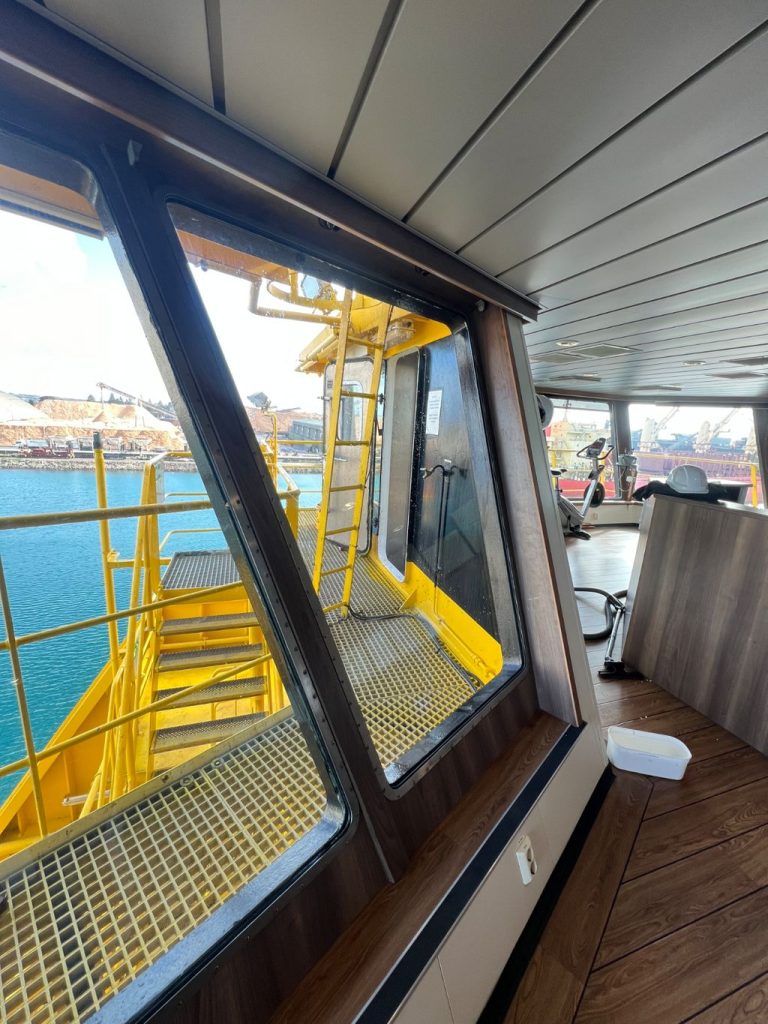
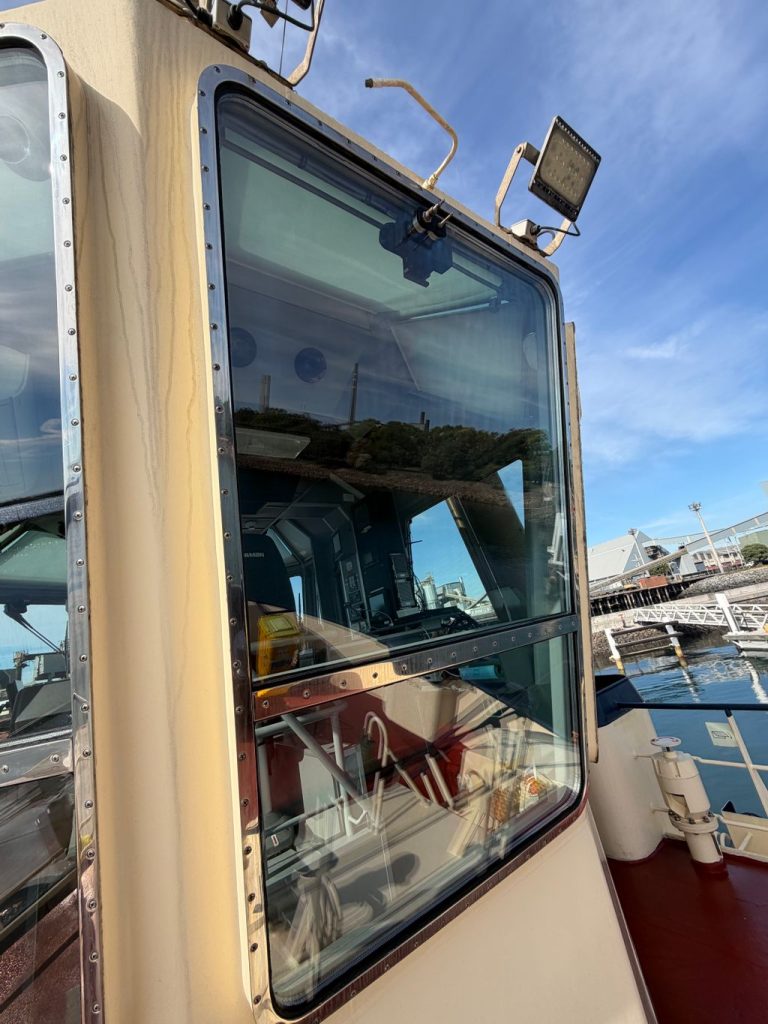
Windows, windscreens, glass doors, wheelhouse glazing, and specialised acrylic and polycarbonate panels are not simply aesthetic features. They are engineered safety components, built to withstand harsh marine environments while giving crew and passengers clear visibility and reliable protection.
For commercial vessel operators, professional marine glazing is not optional. It is fundamental to keeping a vessel safe, compliant, and in service.
Commercial Vessels That Rely on Marine Glazing
Dependable marine glazing is used across a wide range of commercial vessels, each operating in demanding conditions where visibility, structural integrity, and crew safety are paramount:
- Passenger ferries and water taxis
- Tourism and sightseeing vessels
- Commercial fishing boats
- Tugboats and pilot vessels
- Workboats and offshore support vessels
- Crew transfer vessels and barges with enclosed wheelhouses
- Police, law enforcement, and marine rescue vessels
- Fire and emergency response boats
- Government, defence, and port authority vessels
- Research, survey, and dredging vessels
- Charter and commercial dive vessels
The Conditions Marine Glazing Must Withstand
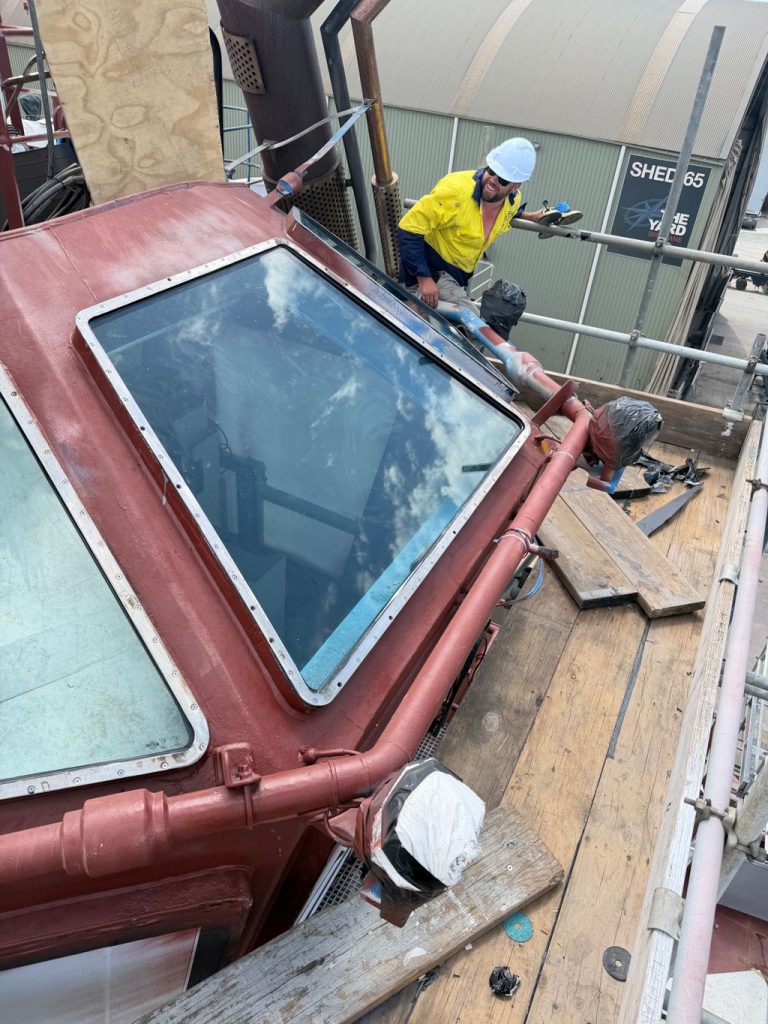
Marine glazing is exposed to conditions far more demanding than those faced by buildings or land-based vehicles. On the water, glazing systems are subject to:
- Saltwater corrosion
- Constant UV exposure
- Heavy rain, storms, and high winds
- Wave impact and continuous vibration
- Temperature fluctuations
- Near-constant operational use
Over time, these forces cause seals to deteriorate, acrylic to craze, laminated glass to delaminate, frames to corrode, and visibility to fade. Even minor damage can become a serious safety issue if it is left unattended.
When Damaged Glazing Becomes a Safety Risk
Poor-quality or damaged glazing creates real operational risk. The most common consequences fall into five areas.
Reduced visibility. A scratched, cloudy, cracked, or delaminated windscreen limits the skipper’s ability to navigate safely, increasing the risk of collision, grounding, striking navigation markers, delayed reaction to hazards, and difficulty operating at night or in poor weather.
Water ingress. Failed seals around windows and doors let water into the vessel, leading to electrical damage, corrosion, ruined interior fit-outs, mould, equipment failure, and rising maintenance costs.
Structural failure. Glazing contributes to the integrity of many wheelhouses and enclosed cabins. Poorly installed or repaired glazing may not withstand heavy seas, and a failed window in rough weather can expose crew to injury and allow large volumes of water aboard.
Door failure. Glass doors endure constant use. Worn seals, damaged hinges, or poorly fitted panels can stop doors closing securely, cause injury, admit water, and compromise emergency escape.
Passenger safety. Passenger vessels are obliged to provide a safe operating environment. Damaged glazing can expose passengers to sharp edges, falling glass, water ingress, and reduced visibility during an emergency.
Why Marine Glazing Is a Specialised Discipline
Marine glazing is a specialised trade. Unlike architectural or automotive glass, it must account for the realities of life at sea:
- Vessel movement and hull flex
- Wave loading and saltwater exposure
- Marine-grade sealants
- Specialist glass specifications
- Acrylic and polycarbonate fabrication
- Compliance with recognised marine standards
Incorrect materials or installation methods lead to premature failure, ongoing leaks, and compromised safety. An experienced marine glazing specialist understands how different vessels operate and selects materials suited to each application.
Meeting Recognised Marine Standards
Marine glazing is governed by international standards and classification requirements designed to protect vessels and the people aboard them.
Integ Marine Group manufactures and installs toughened marine glass to internationally recognised standards, including ISO 614-202 (R2018) and ISO 21005-2018. These standards define the strength, safety, and fragmentation requirements for toughened safety glass used in marine windows and side scuttles.
In-house punch testing allows us to independently verify that toughened glass meets these requirements before it reaches a vessel, giving operators, shipyards, and project managers confidence that every panel has been thoroughly checked.
Reducing Downtime for Commercial Operators
For commercial operators, time out of service means lost revenue. Whether it is a ferry, fishing vessel, tourism boat, or workboat, unexpected downtime affects schedules, customers, and operations.
Working with an experienced marine glazing team helps ensure:
- Accurate diagnosis
- Efficient repairs
- Quality replacement materials
- Reliable installation
- Reduced future maintenance
- Minimal disruption to operations
The goal is to return a vessel to service safely and quickly, without compromising workmanship.
Protecting Your Investment
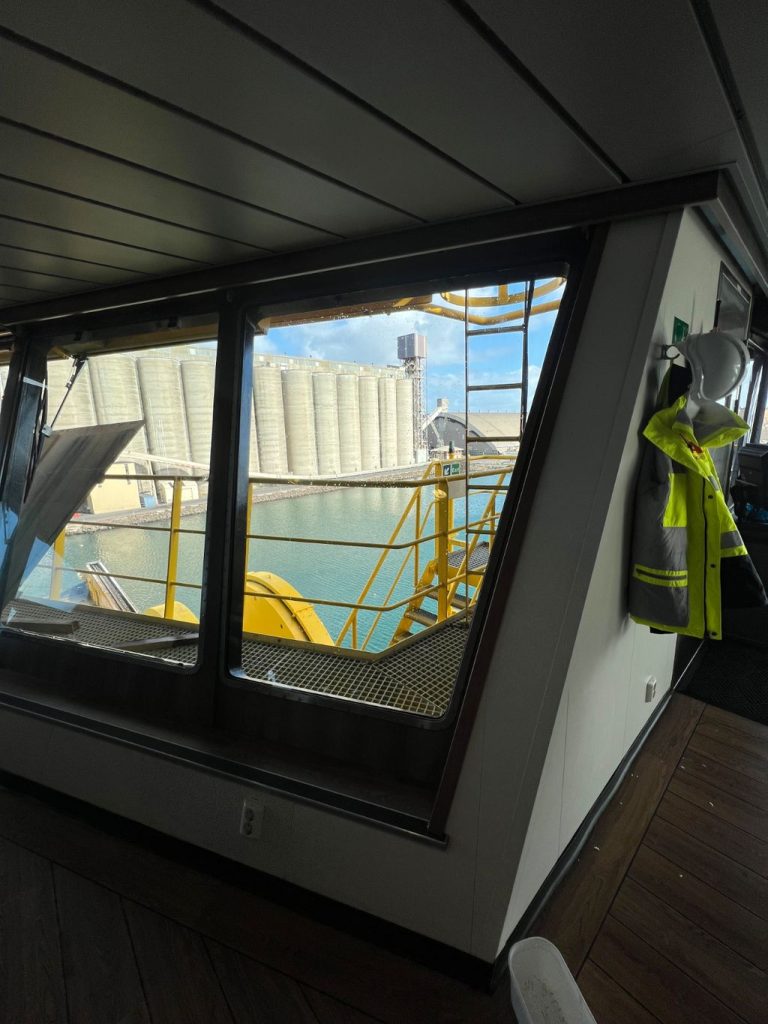
Commercial vessels represent a significant investment. Regular inspection and maintenance of marine glazing extends the life of windows, windscreens, and doors, and prevents small issues from developing into costly repairs.
Signs a vessel may need professional attention include:
- Cracked or chipped glass
- Cloudy or crazed acrylic windows
- Water leaks around frames
- Loose or damaged seals
- Corrosion around window frames
- Glass doors that are difficult to operate
- Reduced visibility through windscreens
- Delaminating laminated glass
Addressing these issues early improves safety, maintains vessel presentation, and reduces long-term repair costs.
Partnering with Integ Marine Group
Commercial operators rely on their vessels every day to carry passengers, complete critical work, and operate safely in challenging conditions. Marine glazing is far more than replacing a piece of glass. It calls for specialised knowledge, precision installation, and a genuine understanding of how vessels perform at sea.
As an end-to-end marine glazing specialist, Integ Marine Group manufactures, installs, and refits glazing systems for commercial vessels across Australia and worldwide, backed by rigorous quality assurance and internationally recognised standards. When safety, visibility, reliability, and operational uptime matter, professional marine glazing is an investment that protects both the vessel and the people who depend on it.
Frequently Asked Questions
What types of glass are used in commercial marine glazing?
Commercial vessels commonly use toughened (tempered) safety glass, laminated glass, and specialised acrylic or polycarbonate panels. The right choice depends on the vessel, its operating conditions, and the relevant marine standards.
How do I know if my vessel’s windows need repair or replacement?
Warning signs include cracked or chipped glass, cloudy or crazed acrylic, leaks or corrosion around frames, damaged seals, and reduced visibility. A professional inspection determines whether a repair or a full replacement is required.
What standards does commercial marine glazing need to meet?
Toughened marine safety glass is manufactured to international standards such as ISO 614-202 (R2018) and ISO 21005-2018, which set the strength, safety, and fragmentation requirements for windows and side scuttles.
Can marine glazing be repaired while a vessel stays in the water?
In many cases, yes. Experienced marine glazing teams can carry out on-water repairs and resealing to minimise downtime, depending on the vessel, its location, and the scope of work.